
"Bourbon Santos"
400 article(s) found

A hermit in Brazil's boutique coffee kingdom.
Origin: Brazilian grade: good granule: relatively full acidity: slight acid uniformity: stable roasting: low to deep flavor: neutral beans, low acid, smooth and round Brazil grows Arabica and Robusta coffee, but mainly Arabica coffee, mostly dried. There are about 3.97 billion coffee trees in Brazil, and the number of people engaged in coffee production is elder brother

Half-sun introduction to the varieties of grinding scale of yellow bourbon coffee beans in Queen's Manor of Brazil
Based on the monotonous climate of Brazil, Brazilian research units have developed a half-sun method to shorten the processing time. After removing the pulp, the coffee fruit will be exposed to the pectin-coated pods for one to three days, and then machine-dried to a moisture content of 12%, which can be put into a storage container. The Brazilian half-sun method greatly shortens the work time (the traditional sun method takes two to three weeks), and also reduces coffee bean dyeing.
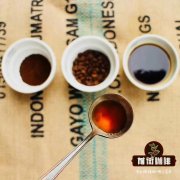
Main characteristics of Brazilian Santos Coffee how do Brazilian Santos coffee beans flush out cocoa flavor
Professional coffee knowledge exchange more coffee bean information Please follow the coffee workshop (Wechat official account cafe_style) speaking of Santos in Brazil, in addition to the football team, I believe many people will think of coffee. Santos is a port in southeastern Brazil. In the past, the name of the port was printed on the export of coffee (generic coffee) from different provinces.

Introduction to the flavor of high-quality coffee beans in the Brazilian coffee manor with full taste and strong fragrance
Chinese coffee network Brazilian coffee taste with a low sour taste, with the sweet and bitter taste of coffee, the entrance is very smooth, and with a hint of grass, slightly bitter in the fragrance, smooth and smooth, the aftertaste can make people comfortable and pleasant. There are no outstanding advantages for Brazilian coffee, but there are no obvious drawbacks. The taste is mild and smooth, low acidity and mellow.

A hermit in the Brazilian Santos coffee kingdom.
Xishan Dushi is a neutral bean. The aroma, acidity and alcohol of the coffee are moderate, and the bitterness is low. It is famous for its smooth taste. It is mild, slightly sour, smooth and round in the mouth, smooth but has a good return to sweet taste. Origin: Brazilian grade: good granules: relatively full acidity: slightly acid uniformity: stable baking: low to deep flavor: neutral beans, low acid, smooth and round taste

Flavor characteristics of Brazilian Arabica boutique coffee beans introduction to Santo Bourbon Coffee
In addition, the quality, status and number of evaluation methods with a score of more than 75 points SCAA. All our coffee is delivered only those high-quality coffee beans. Serrado field environment in Serrado, in addition to the temperate climate, irrigation facilities enable enterprises to always maintain a stable production supply of quality. In addition, in planting, the balance of the whole environment, sprinkling herbicides and nourishing weeds sufficient to spread chemical fertilizer nutrients

An introduction to the characteristics of Brazilian coffee boutique coffee bean flavor and taste manor with endless coffee plantations
There are many large farms in Brazil, which run endless coffee plantations. They use machines to harvest and dry them. They are so efficient in automation that they regard coffee as a general agricultural material and completely abandon the flavor and flavor. As a result, many select coffee companies simply do not sell Brazilian beans so as not to demean themselves. In select coffee shops, Santos in Brazil still appears occasionally.

Brazilian Bourbon Santos
Brazil is located in South America, about 15 degrees south latitude. Brazilian coffee culture began in 1727 in the north of Brazil when a Francesco de Melo Palheta smuggled coffee seeds from France to Brazil. At the time, this was something the French, who now monopolize the coffee business, strongly opposed. Those seeds were the ancestors of the more than 300 million Brazilian coffee trees that now exist. at Waseda

Introduction to the characteristics of varieties produced by the method of grinding scale flavor description of Brazilian coffee beans
Old bourbon coffee is grown on some estates in the Serrado district of Minas Greais state in southeastern Brazil. Old varieties of bourbon coffee grown on these estates, such as Capin Branco and Vista Allegre, are also sold on the market. Although they come from the same area, these coffees have their own characteristics.

Introduction to the origin of taste grinding scale of coffee bean varieties in Huangbourne Manor, Queen's Manor, Brazil
Although coffee is diverse, Brazilian coffee is suitable for the taste of the public. For example, coffee produced in the northern coastal areas has a typical iodine taste, reminiscent of the sea after drinking. This coffee is exported to North America, the Middle East and Eastern Europe. Another kind of coffee that is interesting and worth looking for is washed Bahia coffee. This kind of coffee is not easy to find, because after the United States

What are the advantages and disadvantages of Brazilian coffee beans
Following caf é (Wechat official account vdailycom) found that Beautiful Cafe opened a small shop of its own. Brazil has many large farms and endless coffee plantations. They use machines to harvest and dry them, and the efficiency of automation is so high that they regard coffee as a general agricultural material, regardless of flavor and flavor. As a result, many select coffee companies simply do not sell them.

A brief introduction to the description of taste and aroma characteristics of Brazilian boutique coffee beans with weak and clean bitterness
Taste characteristics: sweet and smooth fruit sweetness, obvious nutty flavor, balanced and supple acidity, weak and clean bitterness, rich chocolate aroma and nutty flavor, bright and fresh taste. Product name: Brazil Yellow bourbon Brazil Chacal Estate Yellow Bourbon gauge: 227g raw bean producing country: Brazilian region: Minas Minas Llicinea Manor:
Introduction of Brazilian Hilado Coffee Bean Flavor description Grinding scale treatment Manor
Brazilian coffee generally refers to coffee produced in Brazil. There are many kinds of coffee in Brazil. Like other Arabica coffee, Brazilian coffee is called Brazils to distinguish it from Milds coffee. The vast majority of Brazilian coffee is unwashed and sun-dried and is classified according to the name of the state of origin and port of transport. Brazil has 21 states and 17 states produce coffee, but four of them produce the most coffee.

Introduction to Brazilian Yellow bourbon Coffee Bean Flavor description Grinding scale Variety de-treatment taste Manor
Brazil Yellow bourbon Coffee Bean Flavor description Grinding scale varieties to deal with the taste Manor introduction of coffee trees from French Guiana (Guyana) in 1720, coffee production has gradually become a science. Before 1990, the Brazilian government carried out strict monitoring of the coffee industry, with both strict intervention and price protection measures, and the state has been implementing minimum price protection measures for farmers.

Brazilian Coffee Bean Characteristics Flavor Description Grind Scale Variety Area Treatment
Brazilian Coffee Bean Characteristics Flavor Description Grind Scale Variety Production Area Treatment Brazil is figuratively compared to the giants and kings of the coffee world. There are about 3.97 billion coffee trees, and small farmers now grow 75 percent of Brazil's coffee. Brazil has twice or even three times as many coffee producers as Colombia, which is the world's second largest coffee producer.

A brief introduction to the History and Culture of the Origin and Development of Yellow bourbon Fine Coffee beans in the soft-scented Queen Manor of Brazil
Bourbon species, native to Bourbon Island in the Indian Ocean (now known as Reunion Island), is the second species caused by Typica mutation. It belongs to the oldest existing coffee variety. The green fruit appears bright red when ripe, while the yellow bourbon species is derived from the cross between bourbon species and other varieties. Because of its low yield and relatively intolerant to wind and rain, it has not been widely planted. But planted in the high sea
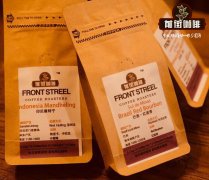
How to brew moderately roasted Brazilian coffee beans in Brazil, the world's largest coffee producer?
Brazil is the world's major producer and exporter of coffee beans, coffee beans taste mellow, is a typical deep-roasted coffee beans. About 1/3 of the world's coffee comes from Brazil, and most of the premium coffee in Brazil is labeled Santos after passing through the port. Altitude range: 400-1600 m above sea level harvest season: may-September annual coffee output: 4000-60 million bags
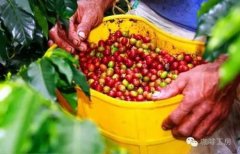
A brief introduction to the description of the flavor, taste and aroma characteristics of Brazilian boutique coffee beans
There are many large farms in Brazil, which run endless coffee plantations. They use machines to harvest and dry them. They are so efficient in automation that they regard coffee as a general agricultural material and completely abandon the flavor and flavor. As a result, many select coffee companies simply do not sell Brazilian beans so as not to demean themselves. In select coffee shops, Santos in Brazil still appears occasionally.

Brazilian sun-baked yellow bourbon flavor and taste introduction
Professional barista exchanges, please pay attention to coffee workshop (Weixin Official Accounts cafe_style) Brazil is figuratively compared to the giants and monarchs of the coffee world There are about 3.97 billion coffee trees, and small farmers now grow 75 percent of Brazil's coffee. Brazil has twice or even three times as many people engaged in coffee production as Colombia, and Colombia is second in the world

A brief introduction to the Origin, Development, History and Culture of a wide variety of Brazilian Fine Coffee beans
There are many large farms in Brazil, which run endless coffee plantations. They use machines to harvest and dry them. They are so efficient in automation that they regard coffee as a general agricultural material and completely abandon the flavor and flavor. As a result, many select coffee companies simply do not sell Brazilian beans so as not to demean themselves. In select coffee shops, Santos in Brazil still appears occasionally.